Back to Blogs
2026-05-17Tech-Craft Team
NodeJS Backend Skills Every Web Developer Needs
NodeJS becomes job-ready when students understand Express routes, middleware, REST APIs, validation, authentication, databases, and Postman testing.
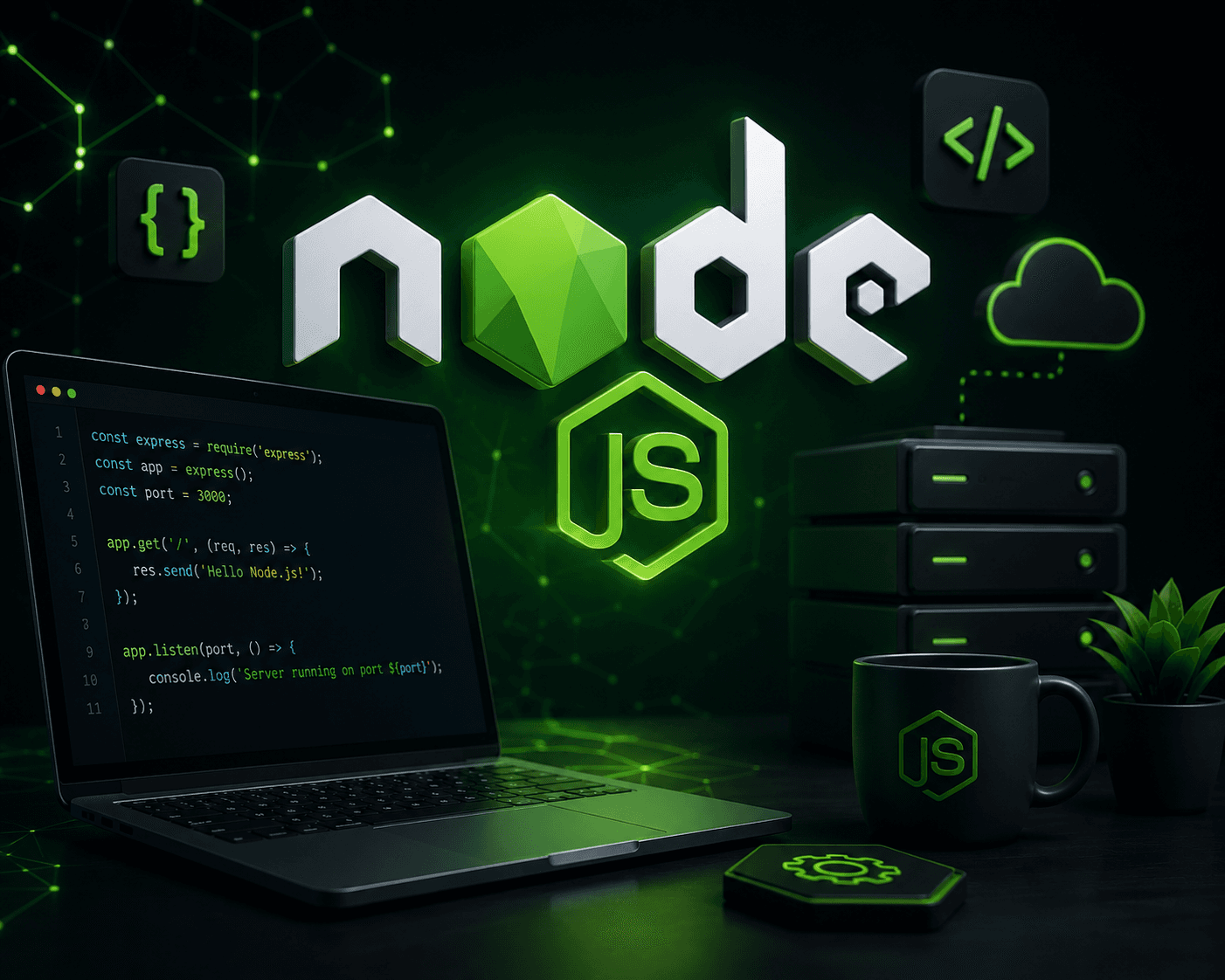
NodeJS allows JavaScript developers to build server-side applications, APIs, and backend services. For students who already know JavaScript or React, NodeJS is a natural next step because it completes the full web development picture.
The foundation starts with modules, npm, asynchronous programming, callbacks, promises, and async/await. Once these concepts are clear, students can move into ExpressJS and learn routing, middleware, request handling, controllers, and error responses.
A career-ready backend project should include REST API endpoints, validation, database operations, authentication, and clean folder structure. Postman testing is also important because it helps students understand how frontend and backend communicate before connecting a user interface.
Students should avoid writing all backend logic in one file. Even small projects should separate routes, controllers, services, and database models. This habit makes projects easier to scale and easier to discuss during interviews.
Good NodeJS practice projects include a task manager API, course inquiry backend, authentication system, event registration API, or student records app. The goal is to prove that you can handle real data and real application flows.